


Professionals Elevate Project Outcomes Through PMP Certification Training
Project failure is rarely the result of insufficient tools or technology. In large organizations, delivery challenges more often stem from inconsistent planning discipline, weak stakeholder alignment, and uneven execution standards across teams. As U.S. enterprises continue to invest heavily in transformation initiatives-ranging from digital modernization to regulatory programs-the ability to deliver projects predictably has become a board-level concern.
According to PMI’s Pulse of the Profession report, nearly 40% of projects fail to meet original goals or business intent, and over 11% of investment is wasted due to poor project performance. These figures highlight a persistent execution gap that organizations cannot solve through technology adoption alone.
In response, enterprises are increasingly treating project management capability as an organizational asset rather than an individual skill. PMP® (Project Management Professional) certification training is being adopted at scale to standardize execution practices, improve governance, and strengthen delivery confidence across portfolios.
This article explores’ how PMP-aligned capability building contributes to improved project outcomes, why enterprises are investing in structured training models, and how organizations apply PMP principles to strengthen delivery performance in real-world environments.
Why Project Execution Has Become an Enterprise Risk Area?
By 2026, enterprise project portfolios are expected to be larger, more interconnected, and more exposed to regulatory, financial, and reputational risk. Programs increasingly span multiple business units, external vendors, and geographies, making coordination and accountability more complex than ever.
PMI research consistently shows that organizations with high project management maturity complete more initiatives on time, within budget, and aligned to business objectives. Conversely, organizations with fragmented project practices face recurring challenges such as:
- Scope creep and unclear success criteria
- Inconsistent planning and estimation standards
- Weak risk identification and escalation
- Delayed decision-making due to unclear ownership
- Limited visibility into portfolio-level performance
These challenges have led executive teams to re-evaluate how project roles are defined and how project managers are trained across the organization.
PMP as a Standardization Mechanism for Enterprise Delivery:
PMP certification is increasingly valued not just for its rigor, but for its ability to establish a common execution language across teams. The PMP framework emphasizes integrated planning, stakeholder engagement, risk management, and performance measurement-capabilities that scale effectively across complex portfolios.
According to PMI, organizations that prioritize project management capability waste 28 times less money due to poor performance compared to low-maturity organizations. This stark contrast explains why PMP-aligned training is now being used to support enterprise delivery governance rather than individual career progression alone.
For enterprises, PMP provides:
- Consistent planning and estimation approaches
- Structured risk and issue management practices
- Stronger stakeholder communication discipline
- Measurable performance tracking aligned to outcomes
When applied collectively, these practices improve predictability across programs and reduce dependency on individual delivery styles.
From Certification Training to Organizational Capability:
Many organizations initially approached PMP training as a professional development initiative. However, experience has shown that isolated certifications deliver limited enterprise impact when project teams operate under inconsistent processes or governance structures.
Leading organizations now adopt PMP training as part of broader delivery capability programs. This includes:
- Training project managers, program leads, and PMO teams together
- Aligning PMP principles with internal governance and reporting models
- Embedding standardized risk, schedule, and cost controls
- Using PMP concepts to strengthen vendor and partner oversight
This shift transforms PMP from a credential into a delivery enablement framework that supports consistent execution across the enterprise.
How PMP Training Improves Project Outcomes in Practice?
Enterprises applying PMP-aligned practices report tangible improvements across delivery metrics. PMI data indicates that organizations with mature project management practices experience:
- Higher success rates for strategic initiatives
- Reduced budget variance
- Improved stakeholder satisfaction
- Stronger alignment between projects and business strategy
These improvements are particularly valuable in regulated industries and transformation-heavy environments, where execution failure carries significant downstream risk.
Vinsys Enterprise PMP Upskilling Approach
Sustainable improvement in project outcomes requires more than exam-focused training. Vinsys supports enterprises by delivering PMP training programs designed around organizational execution challenges rather than individual certification goals.
Programs are structured to reflect real enterprise conditions, including complex stakeholder environments, multi-vendor delivery models, and compliance-driven reporting requirements. Training emphasizes practical application of PMP principles such as integrated planning, risk response, and performance measurement.
By enabling teams to train together, organizations develop a shared understanding of delivery expectations, escalation paths, and success criteria-reducing execution friction and improving cross-functional collaboration.
Enterprise Scenario: Strengthening Delivery Consistency Across Portfolios
Context
A U.S. based enterprise managing a large portfolio of IT and business transformation projects faced recurring schedule slippage and inconsistent reporting across departments. While project managers were experienced, delivery approaches varied significantly.
Intervention
A structured PMP-aligned training initiative was introduced for project managers, PMO staff, and program stakeholders. Training focused on standard planning baselines, risk management practices, and performance tracking aligned to enterprise governance requirements.
Indicative Outcomes
The organization reported improved consistency in project reporting, earlier identification of delivery risks, and greater confidence in portfolio-level forecasting.
Preparing for the Future of Project Delivery
As organizations adopt hybrid delivery models that combine predictive, agile, and hybrid approaches, foundational project management discipline remains essential. Organizations now use hybrid delivery models, increasing the need for professionals who can balance flexibility with control.
PMP-trained professionals are well positioned to operate in these environments, providing structure without constraining adaptability. At the enterprise level, this capability supports faster decision-making, clearer accountability, and more reliable delivery outcomes.
Wrapping up:
Project success is increasingly defined by business impact, not just task completion. For enterprises, improving project outcomes requires deliberate investment in delivery capability, governance, and execution consistency.
PMP certification training has evolved into a strategic enabler for organizations seeking to reduce delivery risk, improve predictability, and align projects with business priorities. By partnering with Vinsys, enterprises can move beyond fragmented upskilling toward structured capability building that supports long-term transformation success through PMP Certification for Organizations.
Get in touch with our team now!

Vinsys Top IT Corporate Training Company for 2025 . Vinsys is a globally recognized provider of a wide array of professional services designed to meet the diverse needs of organizations across the globe. We specialize in Technical & Business Training, IT Development & Software Solutions, Foreign Language Services, Digital Learning, Resourcing & Recruitment, and Consulting. Our unwavering commitment to excellence is evident through our ISO 9001, 27001, and CMMIDEV/3 certifications, which validate our exceptional standards. With a successful track record spanning over two decades, we have effectively served more than 4,000 organizations across the globe.

5 Steps Project Risk Management Process and It’s Benefits

Top 30 Project Management PMP Interview Questions
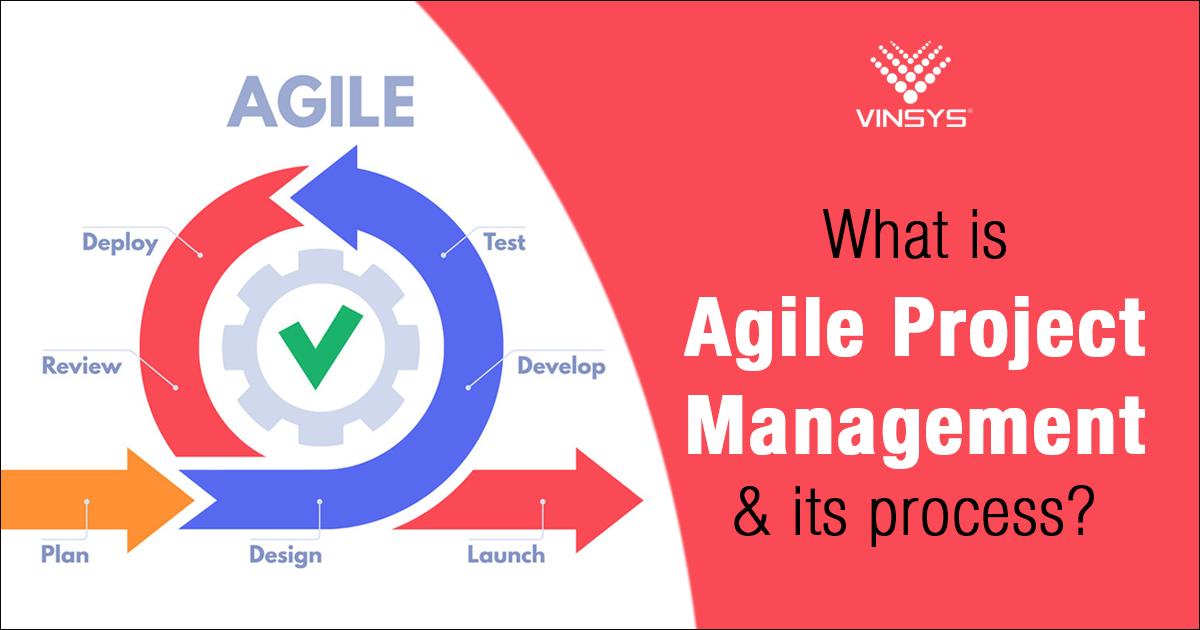
What is Agile Project Management its process?

Top 6 Proven Strategies to Master Agile Project Management

The Significance of Project Management for IT Professionals


